
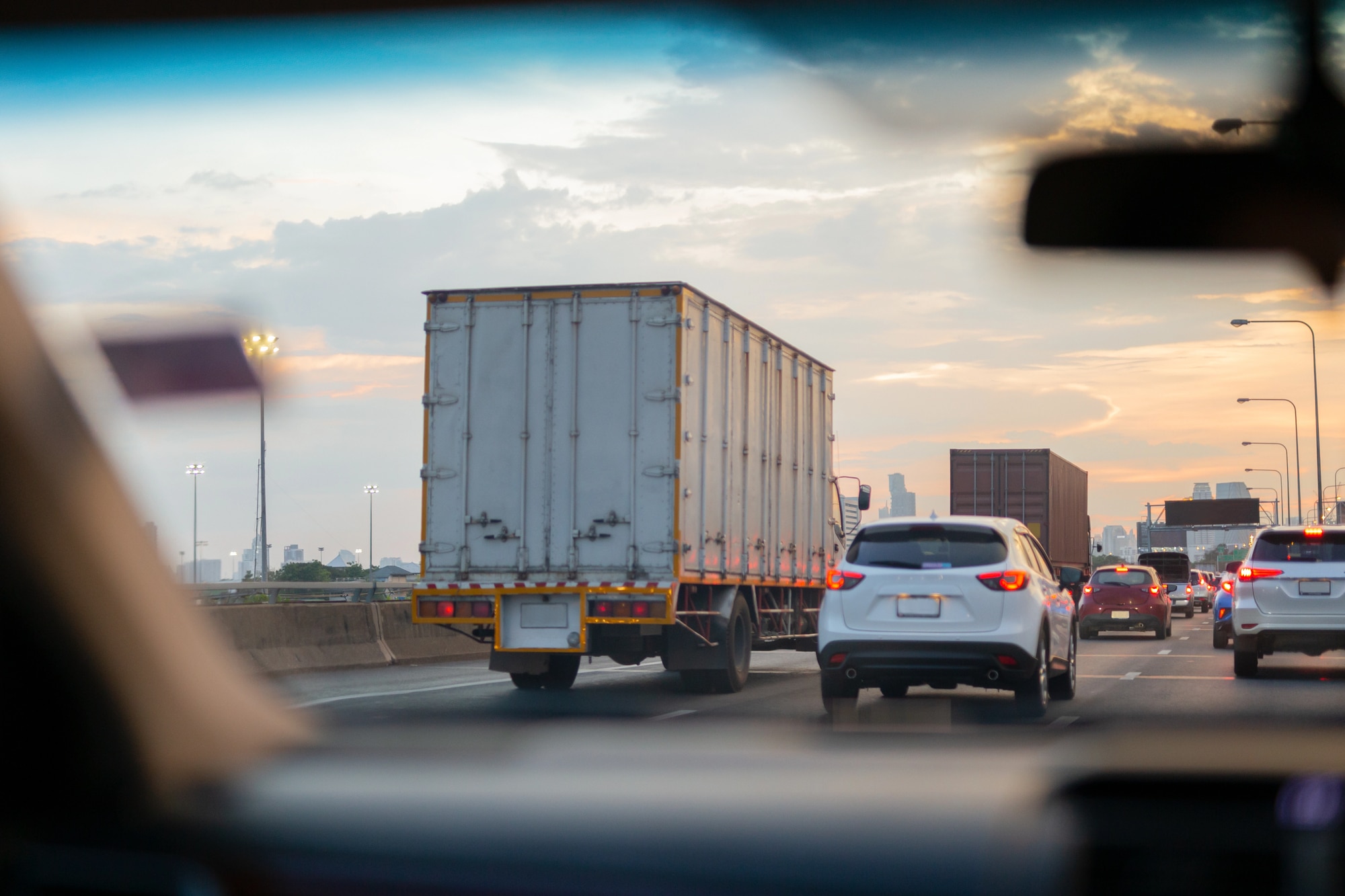
The post-pandemic rebound in traffic volumes has delivered a challenging new reality for fleet managers and safety directors: a significant jump in collision rates. According to CarrierManagement, fleet collision rates surged 24% from Q3 2023 to Q4 2024, a stark reminder that higher traffic density directly contributes to increased risk.
Understanding the Spike: More Vehicles, More Risk
Contrary to common assumptions, increased collision rates don’t necessarily correlate with higher speeds or reckless driving alone. A 2025 Road Safety Report highlights that most new collisions are relatively minor, low-severity incidents—like rear-end bumps and side-swipe events—that arise directly from crowded roadways. Indeed, near-misses—a critical indicator of future risk—have spiked by a concerning 52%, especially impacting utility and construction fleets navigating tighter work zones.
The misconception that slower traffic inherently improves safety is also debunked by recent trends. Research published on MDPI emphasizes that congestion, despite lower speeds, creates more frequent vehicle interactions, compounding opportunities for accidents. Elevated congestion levels during peak traffic periods significantly increase the total number of crashes, even though these collisions may be less severe due to reduced speeds.
Real-World Evidence from New York City
New York City provides compelling real-world evidence of the direct relationship between congestion and collisions. After Manhattan implemented congestion pricing—a policy charging vehicles for entering particularly congested areas—collision rates dropped significantly. The direct correlation between reduced vehicle density and enhanced road safety demonstrates the power of proactive congestion management.
Leveraging Technology: The Role of Telematics and Dash Cams
For fleet managers and safety directors facing these rising collision risks, technology offers practical solutions. Telematics systems, paired with intelligent dash cameras, have become essential tools for managing congestion-related risks. These technologies provide actionable insights through real-time monitoring, capturing not only collisions but also near-miss events. This capability is critical: understanding near-misses allows managers to predict and mitigate potential collisions proactively, shifting from reactive to predictive safety management.
Dash cam footage, combined with analytics, facilitates targeted driver coaching. By addressing the root causes of risky driving behaviors—such as tailgating, abrupt braking, or inattentiveness—fleets can significantly reduce incident rates even as road congestion remains high.
Strategic Approaches: Smart Routing and Targeted Feedback
Another practical approach for fleet managers involves smarter, congestion-aware routing and dispatching. Optimizing routes to avoid high-density traffic zones and peak traffic hours can dramatically reduce collision opportunities. Data-driven dispatch systems that adapt to real-time traffic conditions have proven highly effective in lowering fleet accident rates.
Additionally, fleet operators should focus on delivering targeted feedback to drivers based on telematics insights. Individualized coaching, driven by precise data about specific driving behaviors, provides drivers with practical strategies to navigate congested traffic safely and efficiently.
Looking Ahead: Preparing Your Fleet
With congestion unlikely to ease significantly in the immediate future, proactive measures become imperative. Fleet operators should prioritize investing in telematics and dash cam systems, ensuring they fully leverage the data to manage congestion risks. Regularly reviewing near-miss data will help pinpoint emerging threats, guiding strategic decisions about routing, driver training, and safety management.
Are You Ready to Face Higher Collision Risks?
As fleet collision rates continue to rise alongside congestion, now is the time to assess your fleet’s preparedness. Evaluate your existing telematics and dash cam solutions. Consider whether your current strategies adequately address the growing threat posed by increased congestion.
Navigating congested roads safely requires more than caution—it demands proactive technology integration, smarter dispatching strategies, and targeted driver feedback. Are you fully leveraging the tools available to keep your fleet safe?
For more information on addressing rising collision rates effectively, explore insights from CarrierManagement and further research published by MDPI.
Share This Story, Choose Your Platform!
About the Author: William Cahill Jr.

William "Bill" Cahill Jr. is the Founder and VP of Sales and Marketing at TrackNet Fleet Tracking Systems, a leader in GPS fleet management solutions since 2001. With over three decades of experience in wireless data, fleet tracking, and field force automation, Bill specializes in developing sales channels and delivering cutting-edge technology to the transportation industry. A graduate of Louisiana State University with a BA in Communications, he brings deep industry knowledge and a passion for helping fleets optimize efficiency and safety. When he’s not shaping the future of fleet technology, he enjoys exploring the latest innovations in GPS and dash cam solutions.


Leave A Comment