
The Insurance Score Most Fleet Owners Have Never Heard Of
Most fleet owners I talk to know their FMCSA CSA score. They check it. They worry about it. But there is another score that increasingly decides what they pay for commercial auto insurance, and most have never heard of it. It is called the FAIR Score, and it comes from a company called SpeedGauge.
What the FAIR Score Actually Measures
The FAIR Score is a patented fleet-level risk score scaled like a credit score, from 300 to 850. The higher the number, the better the underwriting impression. The score is built from actual driving data your vehicles produce: speed, location, time of day, route history, weather, traffic congestion, and roughly 200 other variables.
That is meaningfully different from how commercial auto used to be priced. Traditional underwriting relied on loss history, MVRs, FMCSA inspection records, and the equipment you operate. Useful but backward-looking. The FAIR Score reflects what your fleet is doing right now, in the actual conditions it drives in. That is the broader idea behind telematics-based auto insurance: pricing risk on current behavior, not historical proxies.
Worth distinguishing the FAIR Score from your FMCSA CSA score, because fleet operators often confuse them. CSA is built from public roadside inspection, crash, and violation data. The FAIR Score is built from your fleet’s actual telematics data — speed, route, driving behavior. CSA tells the regulator how you have performed in public encounters. The FAIR Score tells the insurer how your fleet drives in practice. They are complementary, not interchangeable.
Why Brokers and Underwriters Are Paying Attention
Commercial auto has been a hard market for years. Loss ratios are bad. Carriers have been losing money. They needed a better way to separate fleets that drive well from fleets that just say they do.
According to SpeedGauge, the platform has access to more than 6.9 million vehicles and over 50 billion miles of driving data. That dataset is what makes the FAIR Score meaningful — your fleet is compared not against a generic benchmark, but against fleets running similar vehicles in similar conditions. For brokers and agents, this gives them something concrete to bring to underwriters. As Commercial Carrier Journal has reported, fleets are using telematics data to negotiate insurance rates instead of relying on relationship and history alone.
What This Means at Your Next Renewal
If your fleet operates safely and your data backs that up, the FAIR Score works in your favor. If your data shows hard braking, speeding, late-night driving in high-risk corridors, or other red flags, the score reflects that and so will your premium.
The fleets I see getting blindsided at renewal are not the ones with bad scores. They are the ones who do not know what their score is until the broker hands them a quote. By then, the conversation is already over. The broader insurtech market is moving toward continuous, data-driven pricing, and fleets that get out in front of it are the ones holding leverage at renewal.
Where TrackNet Fits In
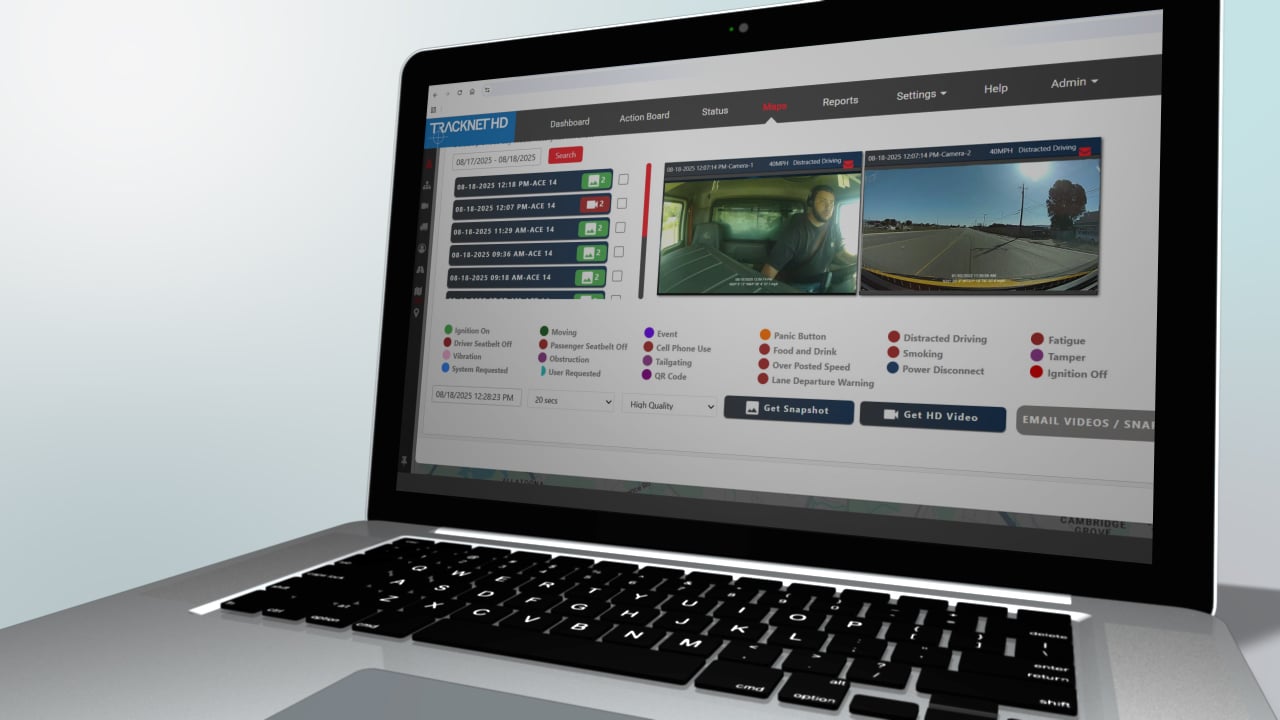
TrackNet’s role here is data delivery. Our fleet management solutions capture the driving data — speed, GPS, harsh events, route conditions — that scoring platforms like SpeedGauge use to build the FAIR Score. Once a fleet is running our fleet dash cams and GPS tracking, that data flows into the platforms your broker and underwriter rely on. The connected vehicle data integration is what turns your internal evidence into something a carrier can actually price against.
A Note from Bill
If you are heading into a commercial auto renewal in the next 90 days, you should know your FAIR Score before your broker does. Reach out and we will walk you through how TrackNet data feeds the platforms underwriters are using.
— Bill Cahill, Founder & Owner, TrackNet
Related in This Series
This post is part of the TrackNet Insurance Telematics Series, written for fleet operators navigating new commercial auto underwriting requirements.
• Previous in series: Insurance Carriers Are Starting to Require Telematics Data. Here’s What That Means for Your Fleet.
• Why Manual IFTA Reporting Is Costing Your Fleet More Than You Think


Leave A Comment