
FMCSA Drops Speed Limiter Rule – What’s Next for Your Fleet?
Honestly, it seemed like a done deal. After months, no, make that years of debates, discussions, and preparations, the FMCSA officially backed off their controversial speed limiter rule. Fleets everywhere were either relieved or frustrated (or maybe a bit of both). Now the big question: what’s next?
Speed Limiters: A Quick Flashback
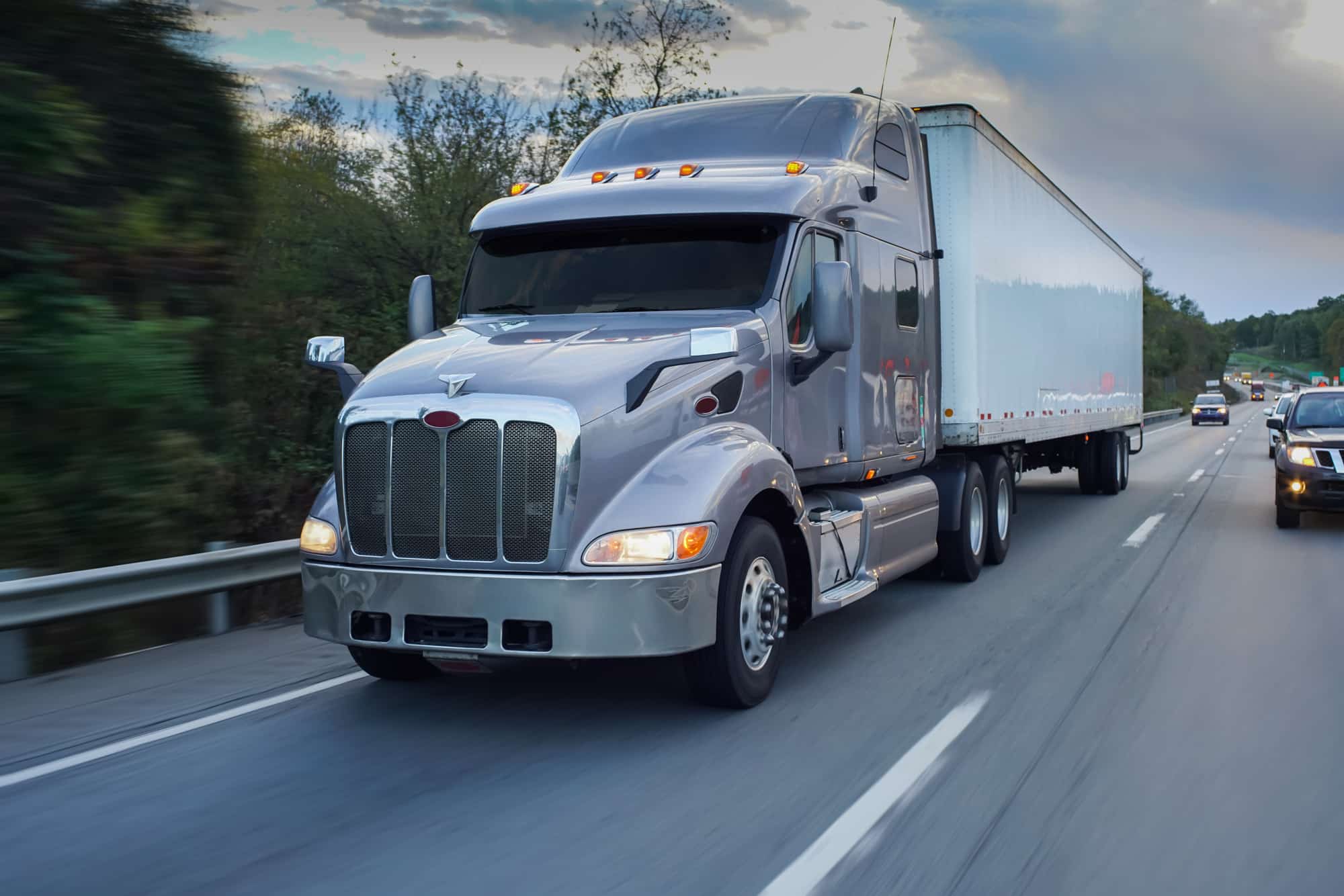
In case you missed it, FMCSA was pushing for mandatory speed limiters on all heavy trucks—anything over 26,000 pounds – to cap top speeds around 68 mph. The goal was straightforward: lower speeds mean fewer accidents, fewer injuries, and safer roads overall. Simple enough on paper, right?
But here’s where things got messy. Critics, including plenty of truck drivers weren’t buying it. They argued that limiting speeds would cause trucks to cluster, creating those annoying (and potentially dangerous) “rolling roadblocks.”
And it looks like FMCSA finally listened. They pulled the rule, citing safety concerns and a lack of clear evidence that speed caps would actually make roads safer.
Why the Sudden Change of Heart?
It turns out, governing truck speeds isn’t as straightforward as it sounds. Fleet operators and independent drivers flooded the FMCSA with complaints about potential unintended consequences. Imagine being stuck behind two trucks, side by side, both maxed out at exactly the same speed – slow. Passing safely? Forget it.
One driver put it bluntly, “On paper, it’s a great idea. On the highway, it’s a nightmare.” That pretty much sums it up.
Granted, not everyone agreed. Safety advocates, like those at the National Safety Council, weren’t thrilled with FMCSA’s decision. They’re still convinced slower speeds equal safer highways, citing stats that heavy trucks were involved in more than 5,300 fatalities in 2023 alone. But, at least for now, FMCSA has put this one on ice.
Real-Life Impact for Fleet Operators
So, what does this withdrawal mean day-to-day? Well, first off, there’s no immediate action required, no new hardware, no mandatory retrofits, and (thankfully) no hefty fines. You can breathe easier, but don’t get too comfortable.
Now’s actually the perfect time to rethink your internal safety standards. Without a regulator breathing down your neck, you get to call the shots – but responsibility doesn’t disappear just because a rule does. Fleets should still prioritize speed management, even without the mandate.
Take it from one fleet manager I spoke with recently who uses GPS fleet tracking religiously. “Before we had fleet tracking,” he admitted, “our drivers racked up speeding tickets like souvenirs. Now, they know someone’s always watching. Speeding dropped overnight.”
Technology Steps Up When Rules Step Back
Speaking of technology, the withdrawal might actually boost the appeal of telematics. GPS tracking tools, which many fleets already have, become even more crucial now. They give fleet managers real-time alerts on speeding, sudden braking, or aggressive driving. Instead of just reacting to incidents, you’re able to proactively coach drivers before something happens.
Fleet trackinglaw is more than just “big brother” watching; it can genuinely change driver behavior. And remember, safer drivers usually mean fewer accidents, lower insurance premiums, and a lot less paperwork.
But Wait—Is the Debate Really Over?
Not by a long shot. This withdrawal has sparked some fiery conversations. The Owner-Operator Independent Drivers Association (OOIDA) celebrated the move, arguing that truckers know when to speed up and when to slow down better than a computer chip does. On the flip side, safety groups vow to keep fighting, pointing to data from the National Highway Traffic Safety Administration (NHTSA) showing speed reductions do save lives
So, no – the debate isn’t going anywhere. It’s only heating up.
How Should Fleets Respond Right Now?
Without an immediate mandate looming, fleets have some breathing room. Use it wisely. Consider strengthening your internal policies, doubling down on driver coaching, and fully leveraging your telematics systems.
Some fleets are already ahead of the game. One fleet owner shared a simple but powerful insight: “We don’t manage speed because FMCSA says we should, we manage speed because it saves fuel, protects drivers, and keeps our fleet running smoothly.” Smart guy.
This decision from FMCSA could actually be an opportunity in disguise, giving you room to innovate, set your own standards, and create a safer, smarter fleet without waiting for the government to force your hand.
What’s the Bottom Line?
For now, FMCSA’s speed limiter mandate is off the table, but that doesn’t mean fleets can relax completely. Safety, fuel efficiency, and operational efficiency are still daily priorities. Whether a mandate eventually comes back or not, your fleet is better off acting proactively.
So keep your GPS tracking sharp, your driver coaching consistent, and stay ahead of whatever new curveballs come down the highway next.
Because, trust me – they will.
Share This Story, Choose Your Platform!
About the Author: William Cahill Jr.

William "Bill" Cahill Jr. is the Founder and VP of Sales and Marketing at TrackNet Fleet Tracking Systems, a leader in GPS fleet management solutions since 2001. With over three decades of experience in wireless data, fleet tracking, and field force automation, Bill specializes in developing sales channels and delivering cutting-edge technology to the transportation industry. A graduate of Louisiana State University with a BA in Communications, he brings deep industry knowledge and a passion for helping fleets optimize efficiency and safety. When he’s not shaping the future of fleet technology, he enjoys exploring the latest innovations in GPS and dash cam solutions.


Leave A Comment