
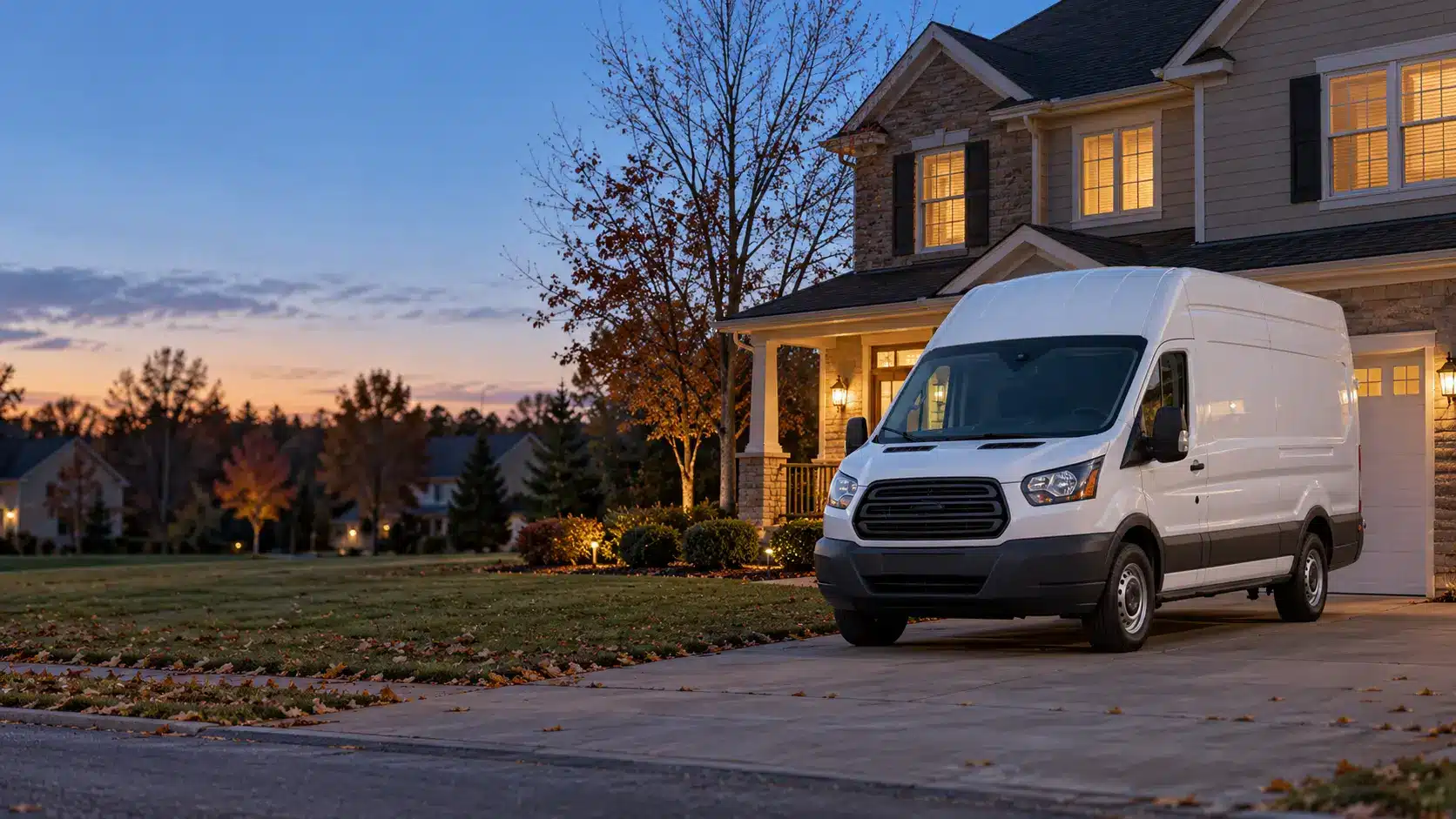
The Claim That Starts at One Mile an Hour
Heating season is here. Phones are ringing, techs are stacking calls back to back, and almost every one of those calls ends the same way: a van backing out of a customer’s driveway.
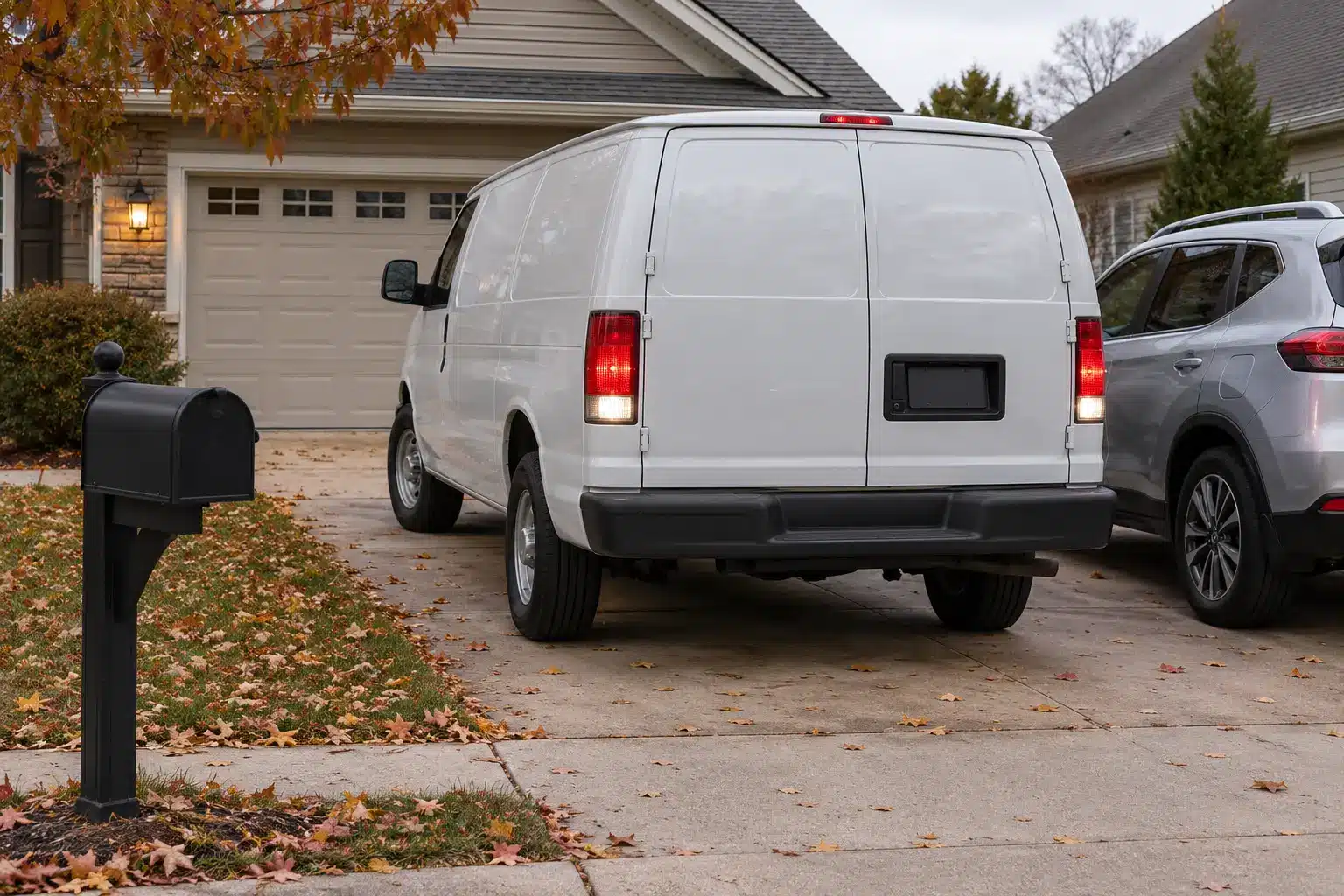
That is where most of the risk lives for an HVAC fleet. Not on the interstate. In a cul-de-sac, between a mailbox and a parked SUV, with a tech who is already thinking about the next no-heat call across town. When something goes wrong there, it rarely makes the news. It just shows up as a claim, a dispute, or an angry customer review.
What a Driveway Bump Can Actually Cost
Automotive Fleet recently published an example from a commercial insurer that every service contractor should read. A fleet vehicle was backing out of a parking space at one to two miles an hour when a pickup pulled into its blind spot. The contact left a dent about the size of a tennis ball. The demand that followed was $500,000. The vehicle had cameras, and once the claimant’s attorney saw the footage, the claim came down to roughly $500 in repairs.
Read that again. Same dent. Same tap. The difference between a $500 repair and a six-figure fight was video.
Why HVAC Vans Are More Exposed Than You Think
Your techs are not professional drivers. Driving is part of the job, not the job. That does not lower the risk. According to NIOSH, motor vehicle crashes are the leading cause of work-related deaths in the U.S., and the risk applies whether driving is a main duty or an incidental one. The same NIOSH data puts the cost to employers at $75,000 per nonfatal injury.
Then add the daily reality of residential service work. Tight streets. Steep driveways. Kids’ bikes and the customer’s own cars. Cargo vans with no rear window. Long days in peak season, sometimes with newer techs behind the wheel. None of that shows up in a trucking safety program, because trucking safety programs were not built for it.
What Video Changes for a Service Contractor
The first thing it changes is the “your tech hit my garage door” phone call. Without footage, you are choosing between your customer’s word and your employee’s. With footage, you are looking at what happened. Sometimes it clears your tech. Sometimes it does not, and you settle fairly and move on. Either way, the argument is over.
The HVAC trade press has been saying this for a while. In an ACHR News piece on managing HVAC fleet vehicles safely, a fleet executive put it plainly: cameras limit your risk, video can head off a lawsuit, and if the driver was at fault, you handle the settlement and move on.
The second thing it changes is coaching. A pattern of hard braking or rushed backing shows up in the data before it shows up in a claim. That gives you a reason to talk to a tech about how he drives before the conversation is about what he hit.
Where TrackNet Fits In
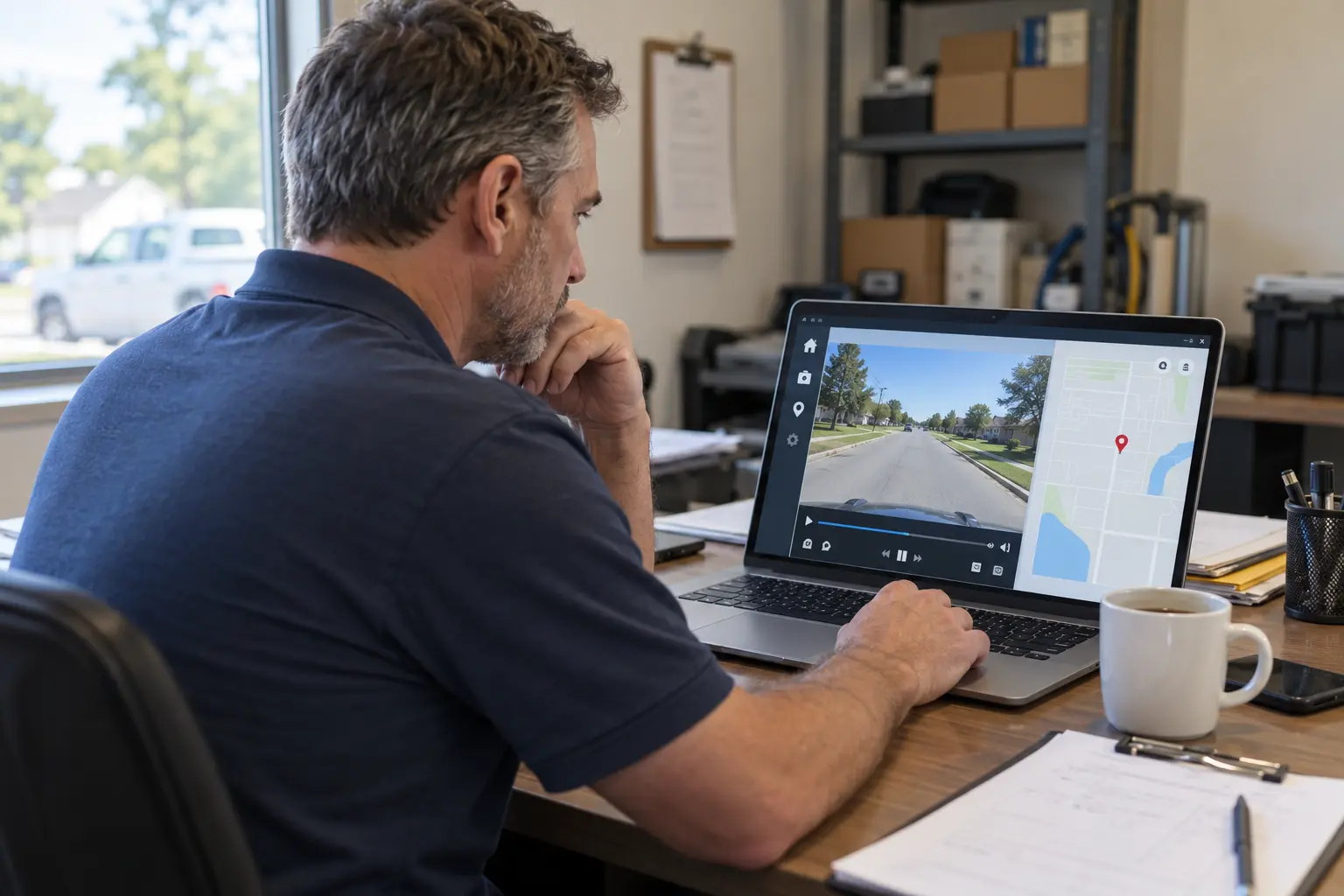
For most HVAC fleets, the starting point is road-facing video on every van. Our fleet dash cams capture the incident itself. A dual dash cam adds the in-cab view, which matters when the question is whether the tech was distracted. And GPS integration ties every clip to a time, a location, and a job, so the footage lines up with the service ticket instead of floating around on its own.
The right setup depends on how many vans you run, what your techs drive, and how often you are fielding property complaints. That is a short conversation, and it is a lot cheaper to have before the first driveway claim of the winter than after it.
A Note from Bill
If you run HVAC vans and you are heading into heating season without video, you are trusting every disputed claim to memory and goodwill. Reach out and we will walk through what a camera setup looks like for a fleet your size.
Bill Cahill, Founder & Owner, TrackNet
Related in This Series
This post is part of the TrackNet Service Fleet Series, written for owners of HVAC, plumbing, electrical, landscaping, pest control, and other service-vehicle fleets.
• Previous in series: Why Service Fleets Need Their Own Fleet Management Playbook


Leave A Comment