
The Claims That Look Small Until They Are Not
Sideswipe incidents get treated like ordinary traffic friction until someone has to defend one. Then the problem changes shape. What looked minor at first turns into a dispute about lane position, timing, driver awareness, and whether the fleet can prove any of it. That is why more operators are rethinking camera coverage. They are not just trying to record collisions. They are trying to close visibility gaps before a lane change becomes a claim.
Anyone who has reviewed enough of these events sees the same pattern. The maneuver feels routine right up to the point where it is not. A truck moves over. A service van drifts in congestion. Another vehicle appears late in the story. The driver says the lane was clear. The other party says it was not. The fleet is left reconstructing a few seconds that would have been obvious if the vehicle had better lateral visibility.
FMCSA has been warning for years about large truck blind spots, and that matters here because lane-change exposure usually begins with what the driver could not reliably see, not with reckless intent.
Lane Changes Create a Documentation Problem

A lane-change crash rarely stays confined to sheet metal. It spills into supervision, coaching, insurer scrutiny, and legal narrative. In a forward-facing setup, the road ahead may look calm while the actual conflict developed off to the side. That is the blind spot in more ways than one. The footage shows motion, but not always meaning.
The broader crash picture makes that worth taking seriously. NHTSA’s work on the economic and societal impact of crashes shows how quickly collisions expand beyond repair bills into congestion, insurance administration, legal expense, and lost productivity. In fleet terms, that means one disputed sideswipe can interrupt far more than a route. It can disrupt schedules, driver confidence, and how an insurer views the account. That is part of why fleets pairing fleet dash cams with broader camera strategy are looking past simple front-view recording. The risk sits at the margins of the vehicle, not just in front of it.
Where Visibility Breaks Down
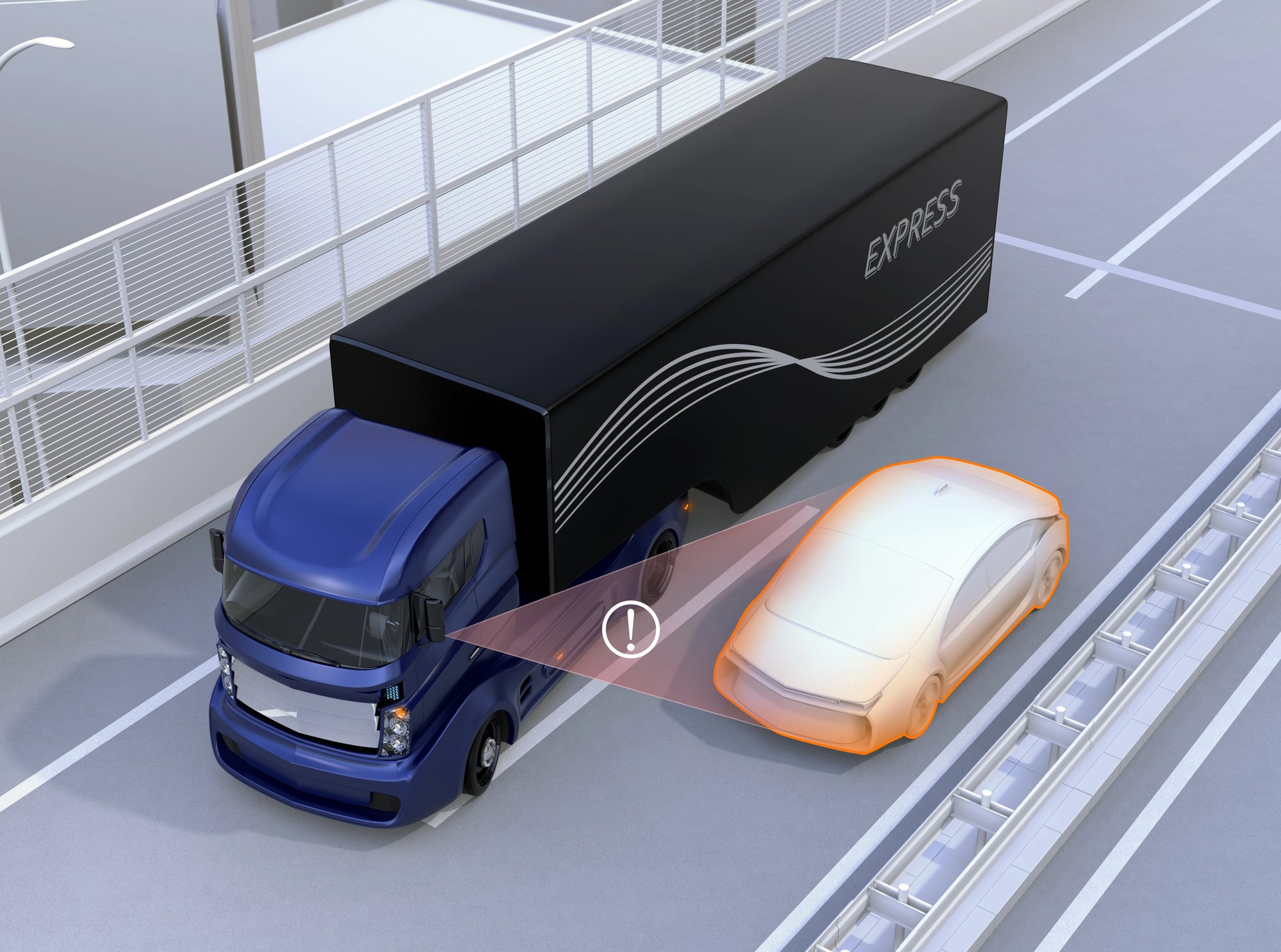
This is usually where the story gets thin. It happens in merges where traffic compresses faster than expected. It happens in urban corridors where delivery vehicles, work trucks, and passenger cars keep trading space. It happens on crowded highways when a driver makes a reasonable move with incomplete information. It happens on the blind side, where mirrors help but do not settle every question.
That is why side coverage keeps moving from optional to expected. On a truck camera system, side footage does not just add another angle. It adds context. It shows whether a vehicle was already occupying space alongside the truck. It shows late movement, hesitation, drift, or aggressive passing. It gives supervisors something concrete to coach from instead of relying on competing accounts. It also gives claims teams a cleaner timeline.
IIHS data on large truck crash deaths is a reminder that when large vehicles are involved, consequences do not stay theoretical for long. That is one reason fleets are building camera coverage around their highest-risk maneuvers, not their oldest assumptions. A fleet safety program is stronger when it addresses the moments where visibility actually breaks down.
Is Your Camera Coverage Showing Enough?
Fleets without full side visibility are often trying to defend incomplete stories. It is worth looking at your lane-change exposure and asking whether your current camera coverage is showing enough of the truth.


Leave A Comment