About
1.19 million people die every year in road traffic accidents, and many more are injured.
It only takes a split second for something to go wrong. In many accidents, things happen so fast that it can be difficult to determine what caused it. If you’re in an accident that wasn’t your fault, you may be able to get compensation, but
proving it wasn’t your fault is rarely straightforward.
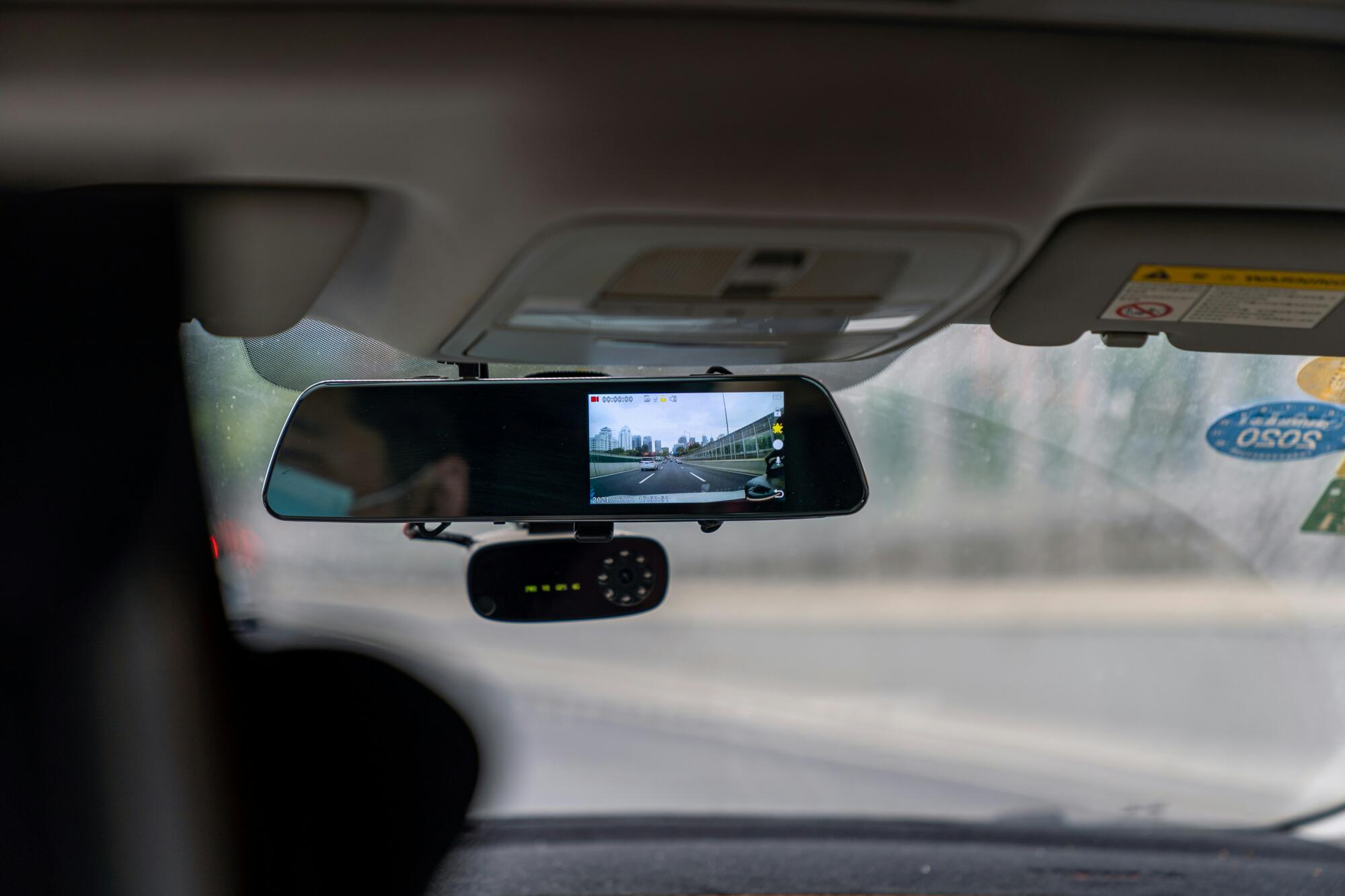
Dash cams can be ideal here. They offer video evidence that can clearly display the at-fault driver. But can dash cam videos be used as legal evidence in court?
In this guide, we’ll explore the use of dash cams for legal cases so you can decide if you should invest in one. Keep reading for more.
Is Dash Cam Footage Admissible in Court?
In many cases,
dash cam evidence is considered admissible in court. As long as the footage is in a public location and it can be validated (proven that it comes from your camera during the incident), then it can be used. You may also be able to use it to help negotiate with your insurance company.
Note that court cases and dash cams don’t always go together. The footage needs to be clear and
impactful to the case. A low-quality video may not be suitable. As such, investing in a cheap or poorly made dash cam could be a waste.
You also need to be able to prove that the footage is from your dash cam. Note that the rules around using dash cam footage in court vary between different states. It’s good to look into the rules for where you live.
Privacy and Consent
Dash cam footage can work well alongside other evidence such as witness accounts or a police record. However, the legal impact of dash cams can have certain implications.
In some states (typically large-population states like California and Illinois), a
two-party agreement for audio recordings is needed. This means all parties involved need to give authorization before a recording can begin. In these states, dash cam evidence may be excluded if it includes audio.
Other states don’t have this law, so you don’t need the other party’s permission to record audio. It’s worth noting that dash cam footage laws change from time to time, so you can benefit from working with an experienced attorney who is up to date with such laws.
Public video recording is typically considered safe and legal. The general consensus is that people surrender their right to privacy when in a public place, so you don’t need permission to record dash cam footage.
Using Dash Cam Videos in Court
Dash cam videos can often serve as very useful evidence in court. A clear video that shows an accident is very difficult to dispute, so it can be invaluable during your legal case.
TrackNet provides truck tracking systems with high-quality dash cams. If an accident happens, the video footage could make a huge difference in the outcome of your case. Our systems can also reduce distracted driving and enforce seatbelt wearing to help maximize safety. Take a look at our
video dash cam page for more information.



Leave A Comment