
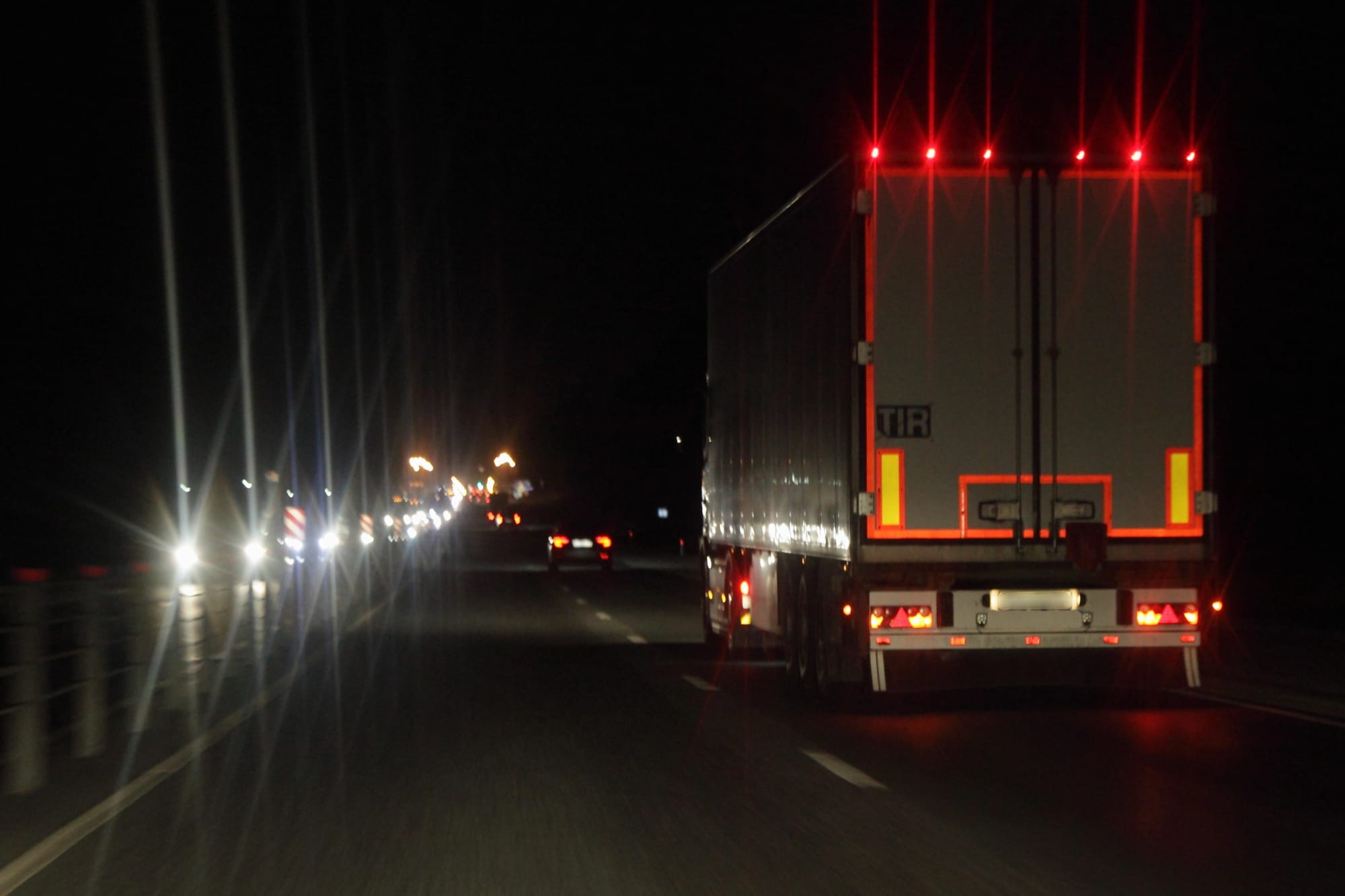
It is early morning in a quiet fleet yard. The air smells faintly of diesel, and the sky still holds the last shade of night. Drivers climb into their trucks, flipping switches and adjusting mirrors. In one cab, a small green light begins to glow, signaling that the AI dash cam is awake. The driver barely notices it, but the device has already started analyzing speed, steering, and gaze direction, building a moment-by-moment understanding of what might go wrong before it actually does.
For decades, fleets treated video systems as post-incident recorders, tools for reconstructing what happened after a collision. Now, artificial intelligence is changing that role entirely. AI dash cams for fleets no longer serve as passive witnesses; they are active partners in prevention. The technology can sense patterns in driving data, predict high-risk behaviors, and help fleets intervene before an accident occurs.
Why This Shift Matters
The need for predictive safety is clear. The Federal Motor Carrier Safety Administration (FMCSA) reports that human behavior is a factor in roughly ninety percent of truck crashes, and the AAA Foundation for Traffic Safety estimates that advanced video systems could prevent more than sixty thousand commercial-vehicle crashes every year in the United States. These numbers are not abstract. They represent real drivers, real cargo, and real families affected when things go wrong on the road.
Traditional video review certainly helps with claims and training, but it is still reactive. A camera may show how an event unfolded, yet it cannot stop it from happening again. Predictive safety changes that. By linking video data with telematics, braking patterns, and even weather information, fleets can identify warning signs that a driver is about to take a risky action. When that insight triggers timely coaching, the entire safety culture begins to change.
How Predictive Systems Actually Work
Modern dash cams record both the forward view of the road and the driver’s own behavior. At the same time, sensors capture every subtle motion of the vehicle, from acceleration to steering angle. When those data streams merge, the AI can recognize unique combinations that often precede a crash.
Researchers at the Virginia Tech Transportation Institute (VTTI) have demonstrated that high-frequency kinematic data, when paired with contextual information such as road conditions, can forecast crash probability with surprising accuracy.
Once the system recognizes a risky situation, it can act in two ways. In some fleets, the AI sends alerts to managers who schedule coaching sessions within a day. In others, it provides real-time voice prompts or light signals that remind drivers to slow down or increase following distance. The most successful programs combine both approaches. The camera becomes not a silent observer but a quiet partner, one that sees danger forming and gives the driver a chance to correct course before harm occurs.
To make these insights truly valuable, fleets must commit to continuous validation. Predictive models improve over time as they learn from real-world results, but only if fleets track whether interventions actually reduce risk. Many organizations now monitor near-misses, driver scores, and claims data month by month to confirm that their AI tools are delivering measurable safety gains.
Building an Effective Safety Program
Deploying AI dash cams is not just a matter of installing hardware. Fleet leaders need a clear understanding of what data they are capturing and how they will use it. Effective programs start by identifying the specific signals that matter most, such as hard braking, sharp cornering, following distance, and fatigue indicators. Context is equally important, since a harsh brake on dry pavement means something very different from one on black ice.
The next step is creating an intervention workflow that blends technology with human communication. Research from the AAA Foundation shows that coaching sessions make the difference between minor improvement and dramatic change. When safety managers sit down with drivers to review clips, discuss triggers, and set goals, behavior shifts faster than when drivers only receive automated alerts. The coaching conversation turns data into insight, and insight into safer habits.
To know whether a program is working, fleets must measure more than just crash counts. They can track how quickly drivers improve their risk scores, how many high-risk events are prevented, and how coaching frequency relates to outcomes. These metrics form a continuous feedback loop that keeps the safety culture alive rather than treating it as a one-time project.
Equally critical is trust. Drivers who feel spied upon will resist the system, while those who understand that the goal is to protect them are far more likely to engage. Successful fleets share anonymized safety results, celebrate improvements, and keep the number of in-cab alerts small so that warnings are taken seriously. When the message is framed around protecting lives instead of policing performance, adoption grows naturally.
A Story from the Field
Last winter, a midwestern utility fleet installed AI dash cams on one hundred and fifty trucks. The early weeks were rocky. Some drivers worried that every head turn would be misinterpreted. The safety director decided to gather everyone in the breakroom before dawn one Monday and spoke plainly: “This camera isn’t here to catch you, it’s here to catch the moment before something happens.”
Six months later, that same fleet saw a forty-five percent reduction in its highest-risk driver group. One operator who had averaged a dozen hard-brake events per thousand miles early in the year dropped to just four after personalized coaching. The total number of near-miss incidents fell by nearly one-third. The director credits not just the technology but the conversation that followed each alert. Drivers began to see the camera’s quiet ping not as punishment but as a nudge toward safety.
Avoiding Common Pitfalls
Technology alone cannot guarantee better outcomes. Fleets that flood drivers with low-priority alerts soon find those warnings ignored. Calibration matters; systems should focus on the most dangerous one or two percent of events and gradually adjust thresholds as data accumulate. Some organizations also fail because they collect footage but never act on it. Without consistent coaching and review, video becomes another unused dataset.
Context blindness is another risk. Without factoring in road surface, weather, or visibility, AI may label defensive maneuvers as aggressive ones. Integrating contextual feeds from weather and map services minimizes those errors. Finally, fleets must coordinate safety technology with operational policies. A dispatch schedule that leaves no room for delays encourages unsafe driving regardless of how smart the cameras are. Predictive safety works only when every department supports the same goal.
Understanding the Return on Investment
The financial case is straightforward. Consider a fleet of one thousand vehicles with an average of three reportable crashes per hundred vehicles each year. With an estimated cost of one hundred thousand dollars per crash, that fleet spends about three million dollars annually on incidents alone. Studies from the AAA Foundation indicate that video-based safety programs combined with coaching can cut crash frequency by forty percent or more. A forty percent reduction means twelve fewer crashes and roughly 1.2 million dollars saved. Even after factoring the cost of equipment and software subscriptions, most fleets realize a positive net benefit within the first year.
Beyond direct savings, fewer collisions translate into lower insurance premiums, reduced downtime, and higher driver retention. The ripple effect extends into brand reputation and customer confidence, both of which carry tangible value when bidding for contracts.
The Road Ahead
The next generation of fleet safety tools will feel almost conversational. Real-time voice guidance will provide gentle corrections while the driver is still on the road. Cameras will merge their data with external feeds such as traffic flow, construction updates, and weather radar to refine risk calculations. Researchers are already exploring systems that monitor driver alertness to spot early signs of fatigue or distraction.
As predictive analytics mature, insurers are beginning to offer incentives for fleets that can document proven crash-reduction performance. This trend may soon link safety scores directly to underwriting, creating a financial reward for prevention. Yet with growing data power comes ethical responsibility. Fleets must manage privacy carefully, define data retention policies, and ensure drivers understand how their information is used. Transparency will become as essential to safety culture as the technology itself.
A Final Reflection
If your fleet still treats dash cam footage as evidence to review after a collision, you are already behind the curve. The industry is shifting from reaction to prediction, from investigation to prevention. The research is consistent: video paired with telematics, contextual data, and structured coaching reduces collisions and saves lives.
The question is not whether AI dash cams for fleets work; it is whether your organization is prepared to use them well. Start by defining what risk looks like in your operation, invest in human conversations around the data, and measure progress over time. When you do, the next time you notice that small green light glowing on the dash, you will know it is not just recording history but quietly helping you change it.


Leave A Comment